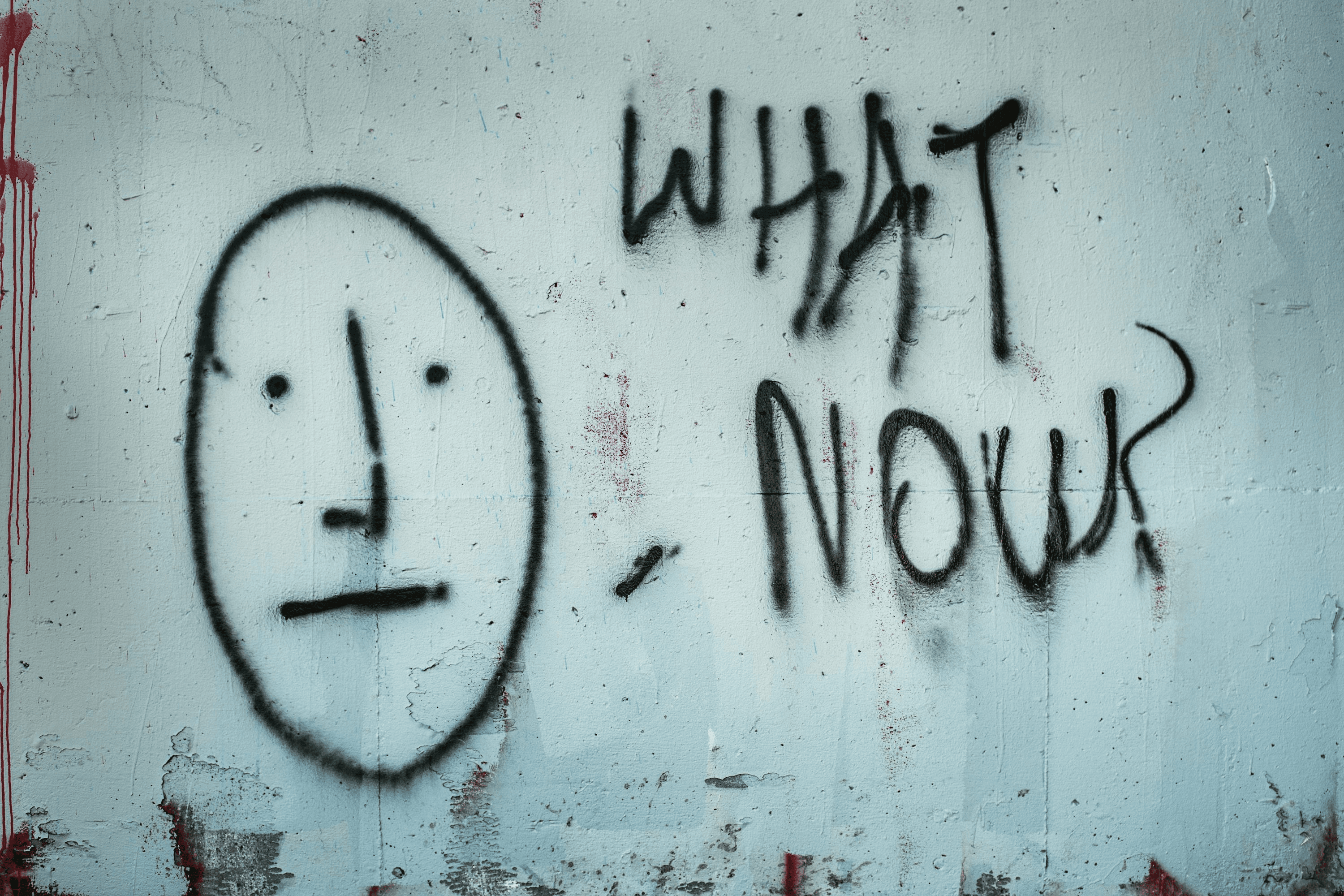
A depiction of myself circa 2021
A depiction of myself circa 2021
CONFUSED? STUCK? WELCOME TO THE CLUB! MY RIDE INTO PRODUCT DESIGN
CONFUSED? STUCK? WELCOME TO THE CLUB! MY RIDE INTO PRODUCT DESIGN
I’m writing this article to document an important chapter in my personal history and, hopefully, to help those who feel confused or stuck about their next steps in life. I’ll share my decision-making process for transitioning to a career in product design, along with my journey and personal lessons learned. I know the internet is flooded with similar stories, but everyone’s path is unique, and many articles swing between unrealistic dream-chasing or doomsday warnings. This is my version, and I’ll strive to be as honest as possible.
I’m writing this article to document an important chapter in my personal history and, hopefully, to help those who feel confused or stuck about their next steps in life. I’ll share my decision-making process for transitioning to a career in product design, along with my journey and personal lessons learned. I know the internet is flooded with similar stories, but everyone’s path is unique, and many articles swing between unrealistic dream-chasing or doomsday warnings. This is my version, and I’ll strive to be as honest as possible.
Switching Gears At 32: How Moving to Dubai and Quitting My Job Kicked Off My Career Reset
Switching Gears At 32: How Moving to Dubai and Quitting My Job Kicked Off My Career Reset
I worked as a project manager at a market research company for six years before moving from Istanbul to Dubai in late 2020. The idea of changing my career had been lingering for a while, driven by growing dissatisfaction, but like many others, I didn’t act on it and just complained, drifting in a sea of mild depression. My move to Dubai, however, made things worse, pushing me to a point where I quit my job without any clear plan. Having been financially independent since the age of 18, the thought of being unemployed was terrifying. Slowly, I calmed down and began to create a plan for myself.
Career decisions are deeply personal. Just because someone loves their job doesn’t mean you will too. That said, I can share what initially drew me to product design. At first, I simply wanted to break into the tech industry. The promise of high salaries, the ability to find jobs globally, remote work opportunities, and the hope of dealing with fewer people (spoiler: I was wrong!) were all appealing. But my biggest motivation was the chance to specialize in something innovative, adaptable, and constantly evolving — a field that would force me to stay up-to-date and continuously learn. Coming from a social sciences background, learning to code felt like a daunting path, especially at 32 and unemployed. Then, I discovered user experience (UX) design.
I worked as a project manager at a market research company for six years before moving from Istanbul to Dubai in late 2020. The idea of changing my career had been lingering for a while, driven by growing dissatisfaction, but like many others, I didn’t act on it and just complained, drifting in a sea of mild depression. My move to Dubai, however, made things worse, pushing me to a point where I quit my job without any clear plan. Having been financially independent since the age of 18, the thought of being unemployed was terrifying. Slowly, I calmed down and began to create a plan for myself.
Career decisions are deeply personal. Just because someone loves their job doesn’t mean you will too. That said, I can share what initially drew me to product design. At first, I simply wanted to break into the tech industry. The promise of high salaries, the ability to find jobs globally, remote work opportunities, and the hope of dealing with fewer people (spoiler: I was wrong!) were all appealing. But my biggest motivation was the chance to specialize in something innovative, adaptable, and constantly evolving — a field that would force me to stay up-to-date and continuously learn. Coming from a social sciences background, learning to code felt like a daunting path, especially at 32 and unemployed. Then, I discovered user experience (UX) design.
No, You Can’t Learn Design in 3 Months: Why Real Growth Takes Time?
No, You Can’t Learn Design in 3 Months: Why Real Growth Takes Time?
When you start researching UX design, you’ll find an overwhelming amount of content from bootcamps, making it seem like they’re the only way forward. If you’re switching careers later in life, while your peers are climbing the corporate ladder, bootcamps may seem like a lifeline. But let me break down why they may or may not be the right choice.
First, enrolling in a bootcamp is a significant financial investment, and like any investment, there’s no guaranteed return. More importantly, the investment is on you, not the bootcamp. Even if you sign up for the “best” one, unless you do your part — which involves much more than just attending classes — it’s a waste from the start. No bootcamp will find you a job; only you can do that.
There are plenty of free resources out there that can offer you the same education. However, with the self-taught route, you’re on your own. You’ll need to create your own curriculum, stick to a timeline, and find people to give you feedback on your work. Personally, I had the financial means and, knowing my own habits, realized I wouldn’t stick to a self-directed program. So, whether or not you opt for a bootcamp, remember: it’s possible to become a product designer either way, but bootcamps provide structure and make life easier.
When you start researching UX design, you’ll find an overwhelming amount of content from bootcamps, making it seem like they’re the only way forward. If you’re switching careers later in life, while your peers are climbing the corporate ladder, bootcamps may seem like a lifeline. But let me break down why they may or may not be the right choice.
First, enrolling in a bootcamp is a significant financial investment, and like any investment, there’s no guaranteed return. More importantly, the investment is on you, not the bootcamp. Even if you sign up for the “best” one, unless you do your part — which involves much more than just attending classes — it’s a waste from the start. No bootcamp will find you a job; only you can do that.
There are plenty of free resources out there that can offer you the same education. However, with the self-taught route, you’re on your own. You’ll need to create your own curriculum, stick to a timeline, and find people to give you feedback on your work. Personally, I had the financial means and, knowing my own habits, realized I wouldn’t stick to a self-directed program. So, whether or not you opt for a bootcamp, remember: it’s possible to become a product designer either way, but bootcamps provide structure and make life easier.
Bootcamps, Burnouts, and Breakthroughs: What Really Happens When You Switch Careers
Bootcamps, Burnouts, and Breakthroughs: What Really Happens When You Switch Careers
For those considering a bootcamp, here are a few tips on how to choose the right one. It’s less about which specific bootcamp to attend and more about what criteria you should prioritize.
Let me be upfront: if someone tells you they can turn you into a designer in 1–3 months, they’re lying. No, you cannot become a designer in such a short time. It takes time to learn the foundational theories, familiarize yourself with the processes, and master the tools from scratch. And that’s just the basics. Afterward, you’ll still need to practice and hone your skills. Three months is nowhere near enough time for all of that.
I advise against wasting money on programs that sell false hopes simply because they’re cheaper. Instead, check how long they’ve been in the industry and whether they’re a reliable source or just jumping on a trend. You’ll often find testimonials from graduates on their websites, so reach out to them on LinkedIn to ask about their experience. Since this is a major investment requiring two of the most valuable resources — time and money — do your homework.
For those considering a bootcamp, here are a few tips on how to choose the right one. It’s less about which specific bootcamp to attend and more about what criteria you should prioritize.
Let me be upfront: if someone tells you they can turn you into a designer in 1–3 months, they’re lying. No, you cannot become a designer in such a short time. It takes time to learn the foundational theories, familiarize yourself with the processes, and master the tools from scratch. And that’s just the basics. Afterward, you’ll still need to practice and hone your skills. Three months is nowhere near enough time for all of that.
I advise against wasting money on programs that sell false hopes simply because they’re cheaper. Instead, check how long they’ve been in the industry and whether they’re a reliable source or just jumping on a trend. You’ll often find testimonials from graduates on their websites, so reach out to them on LinkedIn to ask about their experience. Since this is a major investment requiring two of the most valuable resources — time and money — do your homework.
My Year Learning Figma and Failing (A Lot)
My Year Learning Figma and Failing (A Lot)
What I’m about to say may sound like lowkey toothing my own horn but it’s important. If you were a successful student in school, it creates a dangerous pattern. You get used to learning things easily and start to expect that everything will always come that way. I’ve paid the price for this mindset many times in my life. Learning, by nature, is a painful process. If you’re used to things being easy, any small challenge can trigger a crisis of confidence, and you might quit. Unfortunately, quitting wasn’t an option for me this time — I spent several thousand dollars on this bootcamp.
That year was incredibly humbling. Many times, I thought, “Maybe I’m not as smart as I thought.” Figma, the design tool, taught me an important life lesson: nothing comes easy. You try, you fail, and you get up to try again. Realizing how little I knew in my aspiring career wasn’t a great feeling, and the more I learned, the more that feeling grew. You’ve probably heard that famous Socrates quote: “All I know is that I know nothing.” That’s how I felt for most of the year, and in many ways, I still do.
I questioned my abilities, feared failure, worried about being mediocre, and often wondered if I’d made a huge mistake by entering such a new field at this stage of my life. But despite those fears, I kept learning because everything was so new and interesting. Every time I mastered a new trick in Figma, I felt like a child learning to write their first letter. Even three years later, I still cheer like a little kid when I nail a new technique — although they’re a bit more advanced these days.
Here’s what I can say about this process: don’t trust everything your mind tells you. It will try to discourage you, demotivate you, and convince you that it’s not going to work whenever you face a challenge. Learning to fail and accepting that failure isn’t the end of the world is an important life lesson. Oh, and get ready to rewatch the same YouTube video ten times just to understand what the guy is doing!
What I’m about to say may sound like lowkey toothing my own horn but it’s important. If you were a successful student in school, it creates a dangerous pattern. You get used to learning things easily and start to expect that everything will always come that way. I’ve paid the price for this mindset many times in my life. Learning, by nature, is a painful process. If you’re used to things being easy, any small challenge can trigger a crisis of confidence, and you might quit. Unfortunately, quitting wasn’t an option for me this time — I spent several thousand dollars on this bootcamp.
That year was incredibly humbling. Many times, I thought, “Maybe I’m not as smart as I thought.” Figma, the design tool, taught me an important life lesson: nothing comes easy. You try, you fail, and you get up to try again. Realizing how little I knew in my aspiring career wasn’t a great feeling, and the more I learned, the more that feeling grew. You’ve probably heard that famous Socrates quote: “All I know is that I know nothing.” That’s how I felt for most of the year, and in many ways, I still do.
I questioned my abilities, feared failure, worried about being mediocre, and often wondered if I’d made a huge mistake by entering such a new field at this stage of my life. But despite those fears, I kept learning because everything was so new and interesting. Every time I mastered a new trick in Figma, I felt like a child learning to write their first letter. Even three years later, I still cheer like a little kid when I nail a new technique — although they’re a bit more advanced these days.
Here’s what I can say about this process: don’t trust everything your mind tells you. It will try to discourage you, demotivate you, and convince you that it’s not going to work whenever you face a challenge. Learning to fail and accepting that failure isn’t the end of the world is an important life lesson. Oh, and get ready to rewatch the same YouTube video ten times just to understand what the guy is doing!
10 Hard and Humbling Things About Becoming a Product Designer
10 Hard and Humbling Things About Becoming a Product Designer
So far, I mostly shared my personal struggles and what I learned from them. It might seem not important but believe me it is. Transitioning to a new career is a mental journey and you need to get prepared. However, there are also more practical advice I can offer too. So let’s make a list!
1. Understand that this is a long journey. You are investing in your future self and although there will be small victories along the way, don’t expect to feel like a full-fledged designer for some time. For me, it took 3 years to get to that point.
2. Do not look for short-cuts but instead try to grasp every information and practice non-stop.
3. Expect failure beforehand, you will have a lot of it.
4. Practicing is key but it will not make people think you are a great designer. In this initial, and lets be honest baby stage of your career, your designs will suck. What people will be looking for in you is potential: how much you understand of the fundamentals of the design(design thinking and process) and how eager you are to learn and develop. Learn the basics. Learn well. Do not forget, its will be your infrastructure as a designer.
5. Ask for feedback and advice. We are so lucky that we are in a field where mentorship is seen as a must for senior designers. Use this opportunity. There are a lot of designers out there who are eager to be mentors to newcomers.(and there are a lot of websites who pair them) We need feedback for our designs and advice for the job market. Pursue it.
6. Go to meet ups and reach out to experienced designers on LinkedIn. As much as it hurts me to even write it, this is important. Personally, this is my kryptonite, but seeing how important it is I took a deep breath and did it. And, guess what? That is how I found my job.
7. Stay up to date as much as possible. Follow what people are talking about in your field. It may not be your interest as of now but it will help you to be part of the conversation when you meet them. It will show them you are invested already.
8. Reach out designers for internships, even if there are no job listings. Show your interest and they might decide to give you a chance. You need the experience. Even if, it does not turn to a permanent position there, it will be an experience you can tell in the next interview. And believe me when I say, working in a real environment is quite different from your student projects. It is not possible to get this depth of knowledge from a ‘redesign project’ you did on your own.
9. Get used to your designs being criticized. At first, it’ll probably be because they’re bad and you are learning. Understanding why your work is garbage when you think it’s great can be very humbling. You can choose to get offended and discouraged, but think of it this way, now you are one step closer to being good. Later on, your designs will be criticized for many other reasons: Users will not understand your designs, Businesses will reject it, Developers will say its too much work… This is true of all design work because it is subjective. You have to be flexible, else you’ll fail because of your ego.
10. This field is ever evolving and that is what makes it beautiful. You already see how AI is impacting. So, you should never feel like you are done, you have learnt everything. Be ready to change and adapt. If not, couple of years down the road you will be redundant.
Transitioning to a career in design is a challenging yet rewarding journey. It requires patience, resilience, and a willingness to embrace failure. While your initial designs may not be masterpieces, what matters most is the potential and passion you show in learning the fundamentals. Stay adaptable, seek mentorship, and never stop practicing. Most importantly, remember that design is a long-term commitment — one that can offer immense fulfillment if you stay the course. Every small victory, every piece of constructive feedback, and every new skill learned brings you closer to becoming the designer you aspire to be. Growth doesn’t happen overnight, but every small step forward is a victory in itself. Keep pushing, and before long, you’ll look back and realize how far you’ve come.
So far, I mostly shared my personal struggles and what I learned from them. It might seem not important but believe me it is. Transitioning to a new career is a mental journey and you need to get prepared. However, there are also more practical advice I can offer too. So let’s make a list!
1. Understand that this is a long journey. You are investing in your future self and although there will be small victories along the way, don’t expect to feel like a full-fledged designer for some time. For me, it took 3 years to get to that point.
2. Do not look for short-cuts but instead try to grasp every information and practice non-stop.
3. Expect failure beforehand, you will have a lot of it.
4. Practicing is key but it will not make people think you are a great designer. In this initial, and lets be honest baby stage of your career, your designs will suck. What people will be looking for in you is potential: how much you understand of the fundamentals of the design(design thinking and process) and how eager you are to learn and develop. Learn the basics. Learn well. Do not forget, its will be your infrastructure as a designer.
5. Ask for feedback and advice. We are so lucky that we are in a field where mentorship is seen as a must for senior designers. Use this opportunity. There are a lot of designers out there who are eager to be mentors to newcomers.(and there are a lot of websites who pair them) We need feedback for our designs and advice for the job market. Pursue it.
6. Go to meet ups and reach out to experienced designers on LinkedIn. As much as it hurts me to even write it, this is important. Personally, this is my kryptonite, but seeing how important it is I took a deep breath and did it. And, guess what? That is how I found my job.
7. Stay up to date as much as possible. Follow what people are talking about in your field. It may not be your interest as of now but it will help you to be part of the conversation when you meet them. It will show them you are invested already.
8. Reach out designers for internships, even if there are no job listings. Show your interest and they might decide to give you a chance. You need the experience. Even if, it does not turn to a permanent position there, it will be an experience you can tell in the next interview. And believe me when I say, working in a real environment is quite different from your student projects. It is not possible to get this depth of knowledge from a ‘redesign project’ you did on your own.
9. Get used to your designs being criticized. At first, it’ll probably be because they’re bad and you are learning. Understanding why your work is garbage when you think it’s great can be very humbling. You can choose to get offended and discouraged, but think of it this way, now you are one step closer to being good. Later on, your designs will be criticized for many other reasons: Users will not understand your designs, Businesses will reject it, Developers will say its too much work… This is true of all design work because it is subjective. You have to be flexible, else you’ll fail because of your ego.
10. This field is ever evolving and that is what makes it beautiful. You already see how AI is impacting. So, you should never feel like you are done, you have learnt everything. Be ready to change and adapt. If not, couple of years down the road you will be redundant.
Transitioning to a career in design is a challenging yet rewarding journey. It requires patience, resilience, and a willingness to embrace failure. While your initial designs may not be masterpieces, what matters most is the potential and passion you show in learning the fundamentals. Stay adaptable, seek mentorship, and never stop practicing. Most importantly, remember that design is a long-term commitment — one that can offer immense fulfillment if you stay the course. Every small victory, every piece of constructive feedback, and every new skill learned brings you closer to becoming the designer you aspire to be. Growth doesn’t happen overnight, but every small step forward is a victory in itself. Keep pushing, and before long, you’ll look back and realize how far you’ve come.
© 2025 Hilal Oztas